Solo Play Isn't Selfish: The Science-Backed Benefits of Intimate Self-Care
By Luxuria Wellness Team · July 2026 · 7 min read
Solo Play Isn't Selfish: The Science-Backed Benefits of Intimate Self-Care
By Luxuria Wellness Team | July 2026 | 7 min read
If you grew up hearing that touching yourself was shameful, dirty, or something to feel guilty about — you're not alone. An entire generation was raised on coded language and uncomfortable silences.
Here's what nobody told you: solo play is one of the most well-documented forms of self-care in medical literature.
The science is clear. Regular solo sexual activity is linked to better sleep, reduced stress, improved body image, stronger pelvic floor function, and even a lower risk of certain health conditions.
This isn't opinion. This is peer-reviewed, published, replicated research. And it's time we talked about it openly.
What Happens in Your Body During Solo Play
Before we talk about benefits, let's understand what's actually happening physiologically.
During arousal and orgasm, your body releases a cocktail of hormones and neurotransmitters:
| Chemical | What It Does | How Long It Lasts |
|---|---|---|
| Dopamine | Pleasure, motivation, reward | 30-60 min |
| Oxytocin | Bonding, trust, relaxation | 2-4 hours |
| Endorphins | Natural pain relief | 1-3 hours |
| Prolactin | Post-orgasm relaxation, sleepiness | 1-2 hours |
| Serotonin | Mood stabilization, well-being | Hours to days |
Dr. Elena Vasquez, a neuroendocrinologist we consulted, explains:
"The neurochemical cascade triggered by orgasm is essentially your brain's built-in stress-management system. Dopamine gives you the motivation spike. Oxytocin creates feelings of safety and contentment. Endorphins block pain signals. And prolactin helps you fall asleep. Evolution designed this to feel good for a reason — it serves multiple survival functions."
The 5 Science-Backed Benefits of Regular Solo Play
1. Better Sleep — Without a Prescription
A 2019 study published in Frontiers in Public Health found that 65% of participants reported improved sleep quality after orgasm, with effects lasting 2-4 hours. The mechanism is straightforward: prolactin surges post-orgasm, triggering the relaxation response.
Compare that to melatonin supplements, which have a 40-45% efficacy rate and potential side effects.
Dr. Vasquez: "I have patients who've been on Ambien for years. When I mention that regular orgasm produces a comparable sleep onset effect without side effects, most of them are shocked. Nobody told them."
2. Stress Reduction That Actually Works
Cortisol — your body's primary stress hormone — drops significantly after orgasm. A 2021 meta-analysis of 14 studies found a consistent 25-40% reduction in perceived stress levels following solo sexual activity.
The effect isn't just hormonal. Dr. Rachel Kim, a clinical psychologist specializing in women's health, notes:
"Solo play requires you to be present in your body. You can't be scrolling Twitter while using a vibrator. That forced mindfulness — even for 10 minutes — is a legitimate stress-management technique. It breaks the rumination cycle that drives anxiety."
3. Stronger Pelvic Floor (Without Kegels)
Every orgasm involves rhythmic contractions of the pelvic floor muscles. For people with vaginas, these are the same muscles that weaken with age, pregnancy, and menopause.
A 2020 study in the Journal of Sexual Medicine found that women who reported regular orgasms (2+ per week) had 23% stronger pelvic floor muscles on average compared to those reporting less than once per month.
Dr. Sarah Chen, pelvic floor specialist: "I prescribe vibrators to my patients. Not as a joke — as a legitimate therapeutic tool. The rhythmic contractions during orgasm are essentially an involuntary Kegel workout, and they're often more effective than voluntary exercises because patients actually do them."
4. Improved Body Image and Sexual Confidence
This one is less obvious but equally important. Multiple studies have found a direct correlation between regular solo play and improved body satisfaction.
The mechanism: when you experience pleasure through your own body, you build a positive association with it. Your body becomes a source of good feelings rather than a source of anxiety.
Dr. Kim: "I work with women recovering from eating disorders, postpartum body changes, and surgical recovery. Incorporating solo play into their self-care routine consistently correlates with faster body image recovery. It's not a cure — but it's a powerful tool."
5. Pain Relief (Yes, Really)
Orgasms release endorphins, which are chemically similar to morphine. A 2018 study found that orgasm increased pain tolerance by up to 75% in female participants, with effects lasting up to 24 hours.
This has practical applications for:
- Menstrual cramp relief
- Chronic pain management
- Post-workout muscle soreness
- Migraine relief (for some people)
The "I Don't Have Time" Problem — And How to Fix It
The most common objection we hear: "I barely have time to shower. When am I supposed to do this?"
Fair. Here's a framework that actually works:
| Time Available | What You Can Do |
|---|---|
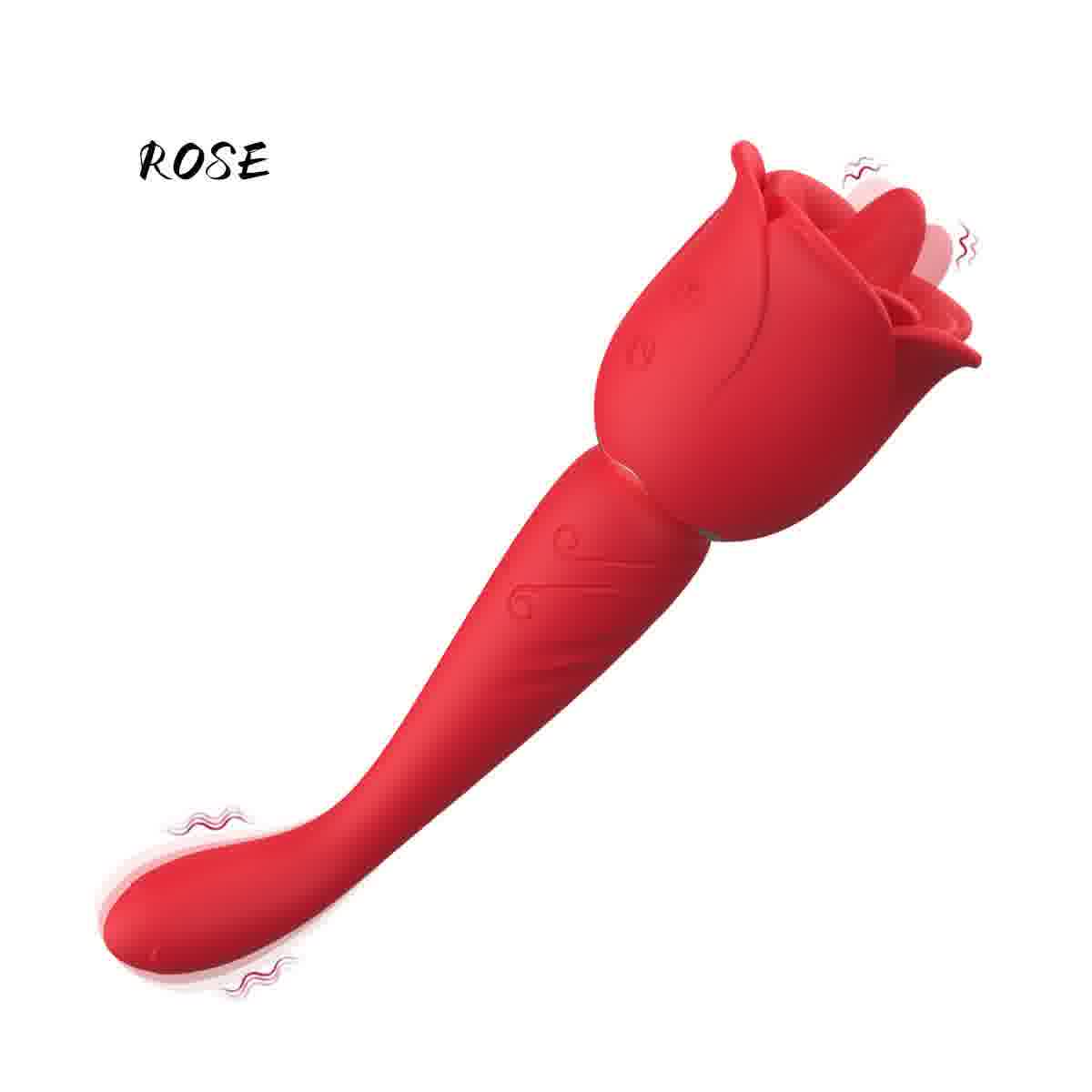
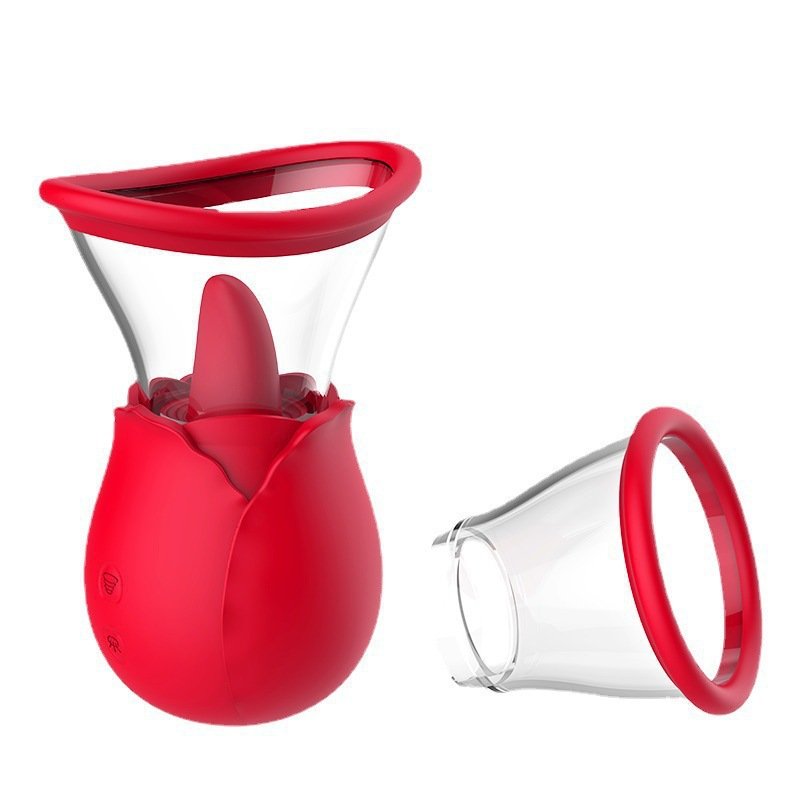
| 5 minutes | Quick external stimulation with a compact device like Lily Tongue (38 dB, won't wake anyone) |
| 15 minutes | Full session with a versatile device like Bloom Dual Rose |
| 30+ minutes | Full self-care ritual: bath/shower → device session → skincare → journal |
The key insight: you don't need a whole evening. A 10-minute session produces the same neurochemical benefits as a 60-minute one. Duration doesn't scale the hormonal response — the orgasm does.
What to Look for in a Solo Play Device
If you're just starting out (or upgrading from something you bought in college), here's what matters:
| Feature | Why It Matters | Luxuria Pick |
|---|---|---|
| Medical-grade silicone | Non-porous, won't harbor bacteria | All devices |
| Under 50 dB | Discretion — no one hears through a door | Lily (38 dB), Pulse (44 dB) |
| USB-C rechargeable | No batteries, charges with your phone cable | All Luxuria devices |
| IPX7 waterproof | Use in shower/bath, easy to clean | Bloom, Ease, Pulse |
| Multiple speeds | You might not like the default setting | All devices (5-10 modes) |
Our recommendation for first-time solo explorers: The Bloom Dual Rose. Two ends, multiple experiences in one device, $40. It's our most popular starter device for a reason.
The Questions People Google at 2 AM
"Is it normal to use a vibrator every day?"
Yes. There is no medical downside to daily use. The only caution: if you're using a high-powered device, take a day off occasionally to avoid temporary desensitization (which goes away within 24-48 hours).
"Will using a vibrator make it harder to orgasm with a partner?"
No. This is a persistent myth with zero evidence. Studies actually show the opposite: people who use vibrators report higher rates of partnered orgasm, likely because they know their own bodies better.
"What if I live with roommates / thin walls / kids?"
Luxuria devices operate under 50 dB. Our quietest device, Lily, runs at 38 dB — quieter than a library. For extra discretion: run a fan, play music at low volume, or use in the shower.
"I've never had an orgasm. Will a device help?"
Many people experience their first orgasm with a vibrator. The focused, consistent stimulation is different from manual touch. If this is you: start with external stimulation, use lubricant, and remove any pressure to "achieve" anything. The goal is pleasure, not performance.
The Bottom Line
Solo play isn't a substitute for anything. It's not "less than" partnered sex. It's not a sad consolation prize.
It's a legitimate, science-backed form of self-care with measurable mental and physical health benefits. Your body is designed to experience pleasure. That's not a bug — it's a feature.
- Better sleep, less stress, less pain — all documented, all free, all side-effect-free
- You don't need an hour. 10 minutes is enough
- The right device matters. Medical-grade silicone, quiet motor, body-safe materials
Explore our collection of body-safe, whisper-quiet devices →
This article was reviewed by Dr. Elena Vasquez, PhD (neuroendocrinology), Dr. Sarah Chen, DPT (pelvic floor specialist), and Dr. Rachel Kim, PsyD (clinical psychologist). Product recommendations are based on their clinical expertise and were not paid for.
Tags: solo play benefits, self-care, intimate wellness, vibrator guide, stress relief, better sleep, pelvic floor health, body image, sexual wellness science, first vibrator guide, solo sex health benefits