Body-Safe Materials Guide: Silicone, TPE, PVC — What's Actually Safe?
By Luxuria Wellness Team · July 2026 · 5 min read
Body-Safe Materials Guide: Silicone, TPE, PVC — What's Actually Safe?
By Luxuria Wellness Team | July 2026 | 7 min read
Here's a stat that should make you uncomfortable: there are zero federal regulations requiring sex toy manufacturers to disclose what materials they use.
Read that again. The $40 billion global intimate wellness industry is essentially self-regulated. Companies can put almost anything in their products and call it "body-safe." And many do.
At Luxuria, we think that's unacceptable. So we're going to tell you exactly what to look for, what to avoid, and how to spot the difference — even when the packaging lies.
The 4 Materials You'll Encounter
| Material | Body-Safe? | Porous? | How to Identify | Found In |
|---|---|---|---|---|
| Medical-grade silicone | ✅ Yes | No | Soft, velvety, no smell, slightly grippy | Luxuria devices, premium brands |
| TPE / TPR | ❌ No | Yes | Sticky, slightly greasy, faint chemical smell | Budget toys, "realistic feel" products |
| PVC | ❌ No | Yes | Hard, shiny, strong plastic smell | Ultra-cheap toys, novelty items |
| ABS Plastic | ✅ Yes | No | Hard, smooth, no smell | Device bodies, handles |
Why Porous Materials Are Dangerous
Dr. Sarah Chen, a pelvic floor therapist we consult with, explains it simply:
"Imagine wearing the same pair of underwear for a week without washing them. That's what happens inside a porous sex toy. Bacteria, yeast, and mold colonize the microscopic holes. You can't clean them out — they're embedded in the material."
Here's what that means in practice:
| After 1 Use | After 1 Month | After 6 Months |
|---|---|---|
| Silicone: sterile after washing | Silicone: like new | Silicone: like new |
| TPE: bacteria in pores | TPE: biofilm forming | TPE: can't be fully cleaned |
| PVC: chemical leaching begins | PVC: odor intensifies | PVC: potentially toxic |
Studies have found that porous toys can harbor Staphylococcus, E. coli, Candida, and bacterial vaginosis-causing organisms even after washing with soap and water. The only way to sterilize silicone is boiling — which would melt TPE and PVC.
This is why Luxuria only uses medical-grade silicone. Every device. No exceptions.
The "Smell Test" — 3 Ways to Spot Unsafe Materials
1. The Nose Test
- Safe silicone: No smell at all, or a very faint "new product" scent that disappears after washing
- TPE/PVC: Strong chemical, rubber, or plastic smell that persists
2. The Touch Test
- Safe silicone: Velvety, slightly grippy, warms to body temperature quickly
- TPE: Sticky, greasy feeling, leaves a residue on your fingers
- PVC: Hard, cold, plastic feel
3. The Flame Test (Only If You're Willing to Sacrifice the Toy)
- Safe silicone: Burns clean, leaves white ash
- TPE/PVC: Melts, drips, produces black smoke and chemical smell
What "Medical-Grade" Actually Means
Not all silicone is created equal. Here's the breakdown:
| Grade | Used In | Body Contact? | Implantable? |
|---|---|---|---|
| Industrial silicone | Sealants, lubricants | ❌ Never | ❌ |
| Food-grade silicone | Baking mats, spatulas | ⚠️ Limited | ❌ |
| Medical-grade silicone | Surgical implants, catheters | ✅ Long-term | ✅ |
| Platinum-cured silicone | Premium sex toys (including Luxuria) | ✅ Long-term | ✅ |
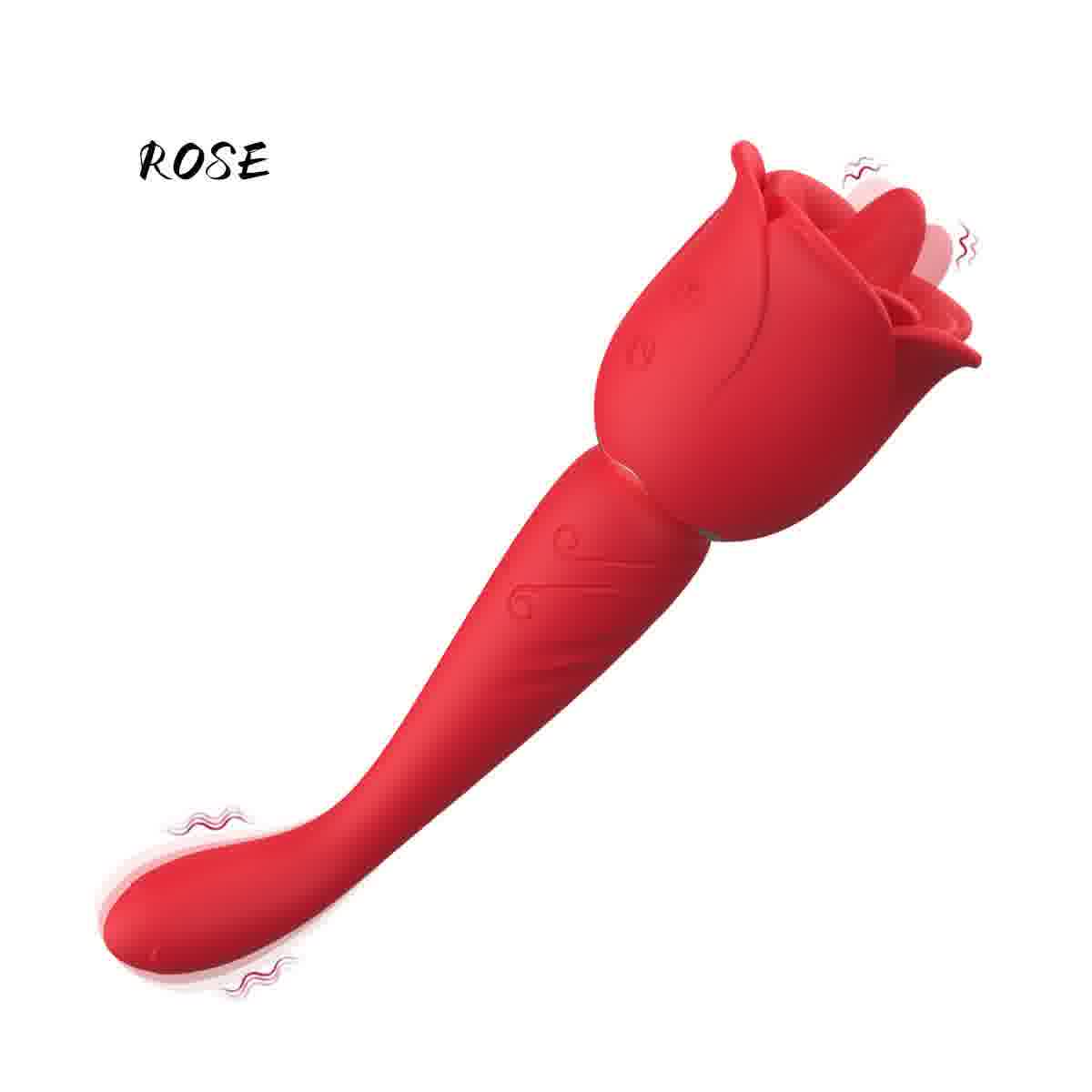
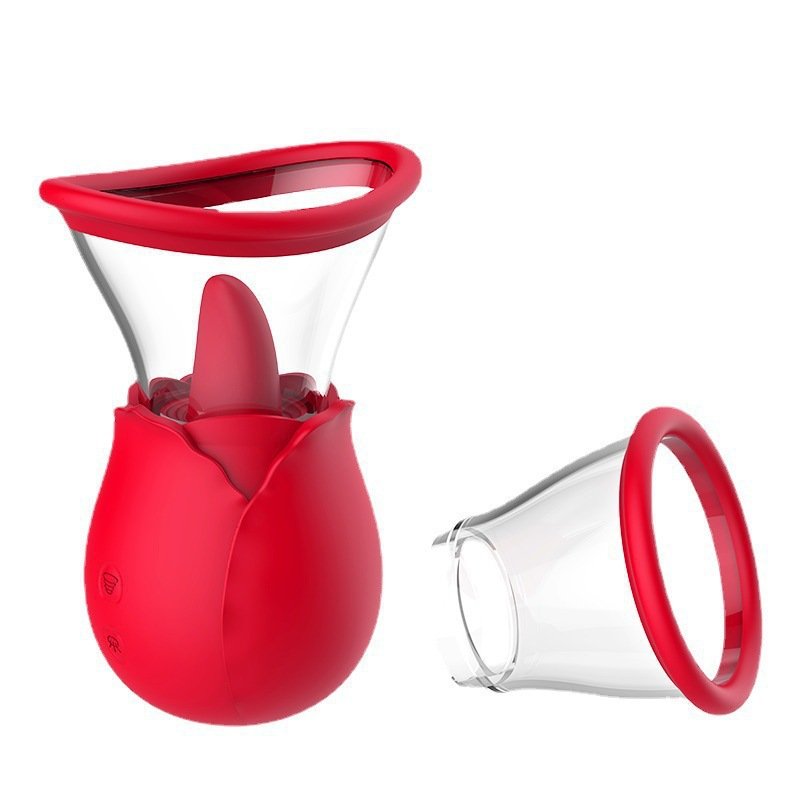
Luxuria uses platinum-cured medical-grade silicone, the same material used in FDA-registered surgical implants. It's:
- Non-porous (bacteria can't live in it)
- Hypoallergenic (safe for sensitive skin)
- Phthalate-free, BPA-free, latex-free
- Temperature-stable (won't degrade with body heat)
- Can be fully sterilized by boiling or UV
Every Luxuria device includes a material certification card with a traceable lot number. You can verify it on our website.
The Lubricant Compatibility Table
This part matters more than most people realize. The wrong lube can destroy silicone.
| Lube Type | Safe with Silicone Toys? | Safe with TPE/PVC? | Recommendation |
|---|---|---|---|
| Water-based | ✅ Perfect | ✅ | Everyday use |
| Hybrid | ⚠️ Patch test first | ❌ May degrade TPE | Use sparingly |
| Silicone-based | ❌ Can bond to surface | ❌ | Never with silicone toys |
| Oil-based | ✅ Safe for silicone | ❌ Destroys TPE/PVC | OK for silicone, avoid with condoms |
| Coconut oil | ✅ Safe | ❌ | Natural option for silicone |
Rule of thumb: If you're using a Luxuria silicone device, stick with water-based lubricant. It's the safest, most compatible option.
How to Clean Silicone vs Other Materials
| Material | Daily Cleaning | Deep Cleaning | Sterilization |
|---|---|---|---|
| Silicone | Warm water + mild soap | Toy cleaner spray | Boil 5-10 min or UV sterilizer |
| TPE | Wipe with damp cloth | Soap + water (surface only) | Impossible |
| PVC | Wipe with damp cloth | Soap + water (surface only) | Impossible |
| ABS Plastic | Warm water + mild soap | Toy cleaner spray | UV sterilizer |
The Luxuria Material Promise
We publish our full material test results. Not many brands do this. Here's why we do:
- FDA Registered: Our manufacturing facility is FDA-registered and inspected
- Prop 65 Compliant: All devices meet California's strictest chemical safety standards
- ISO 10993: Materials tested for biocompatibility (skin contact, sensitization, cytotoxicity)
- Third-party tested: Independent labs verify every batch
Every device ships with a material certification card. The lot number on that card links to the actual test report for your specific device.
The Bottom Line
- If it's not medical-grade silicone, don't put it in or on your body. Period.
- "Body-safe" on the box means nothing. Check the material yourself.
- If it smells like chemicals, throw it away. You can't clean porous materials.
- Water-based lube + silicone toy = safe. Silicone lube + silicone toy = disaster.
Browse our full collection of medical-grade silicone devices:
All Luxuria devices are made from platinum-cured medical-grade silicone. FDA registered facility. Prop 65 compliant. Full material test reports available on request.
Tags: body safe sex toys, silicone vs TPE, medical grade silicone, sex toy materials guide, non-toxic vibrator, safe sex toy materials, how to identify silicone