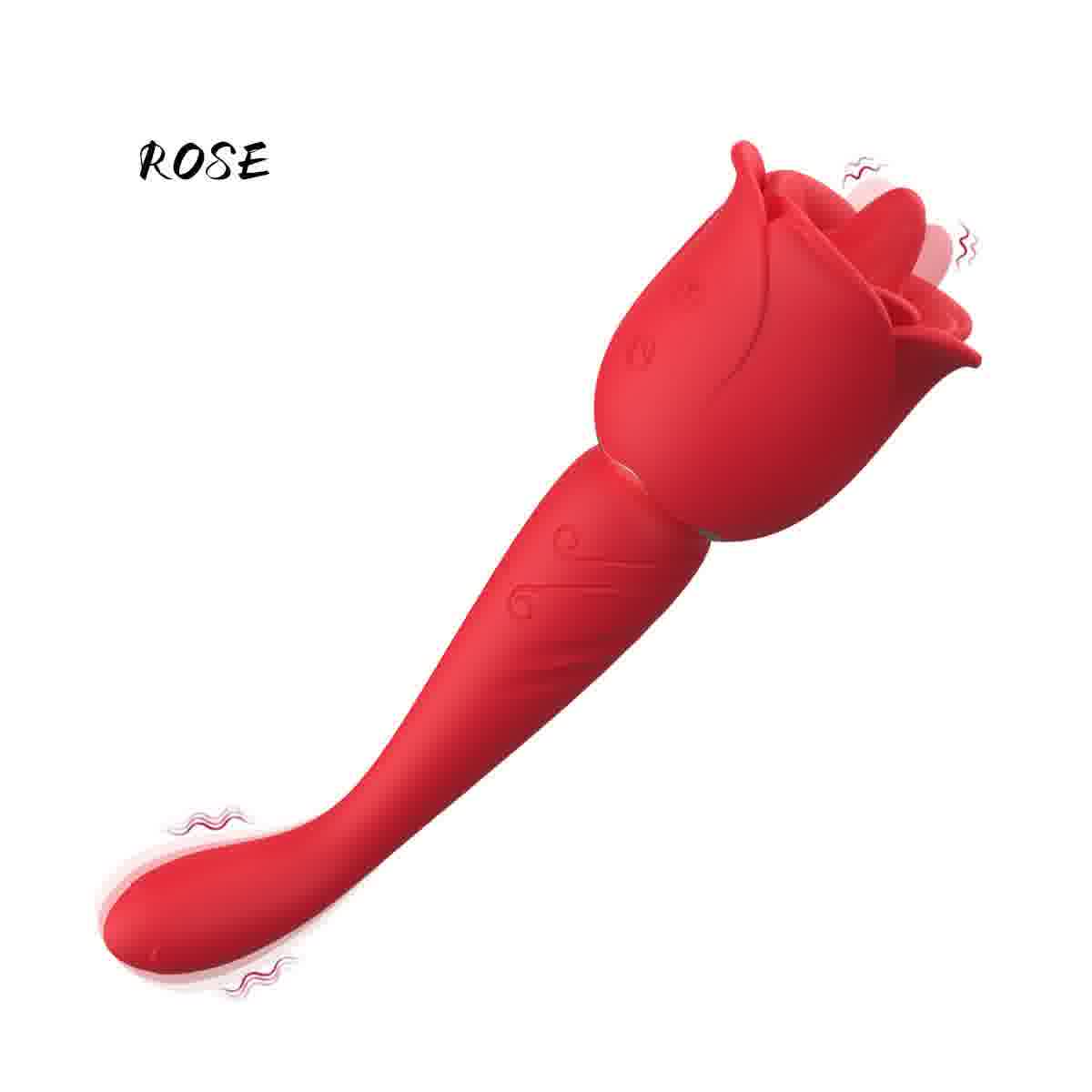
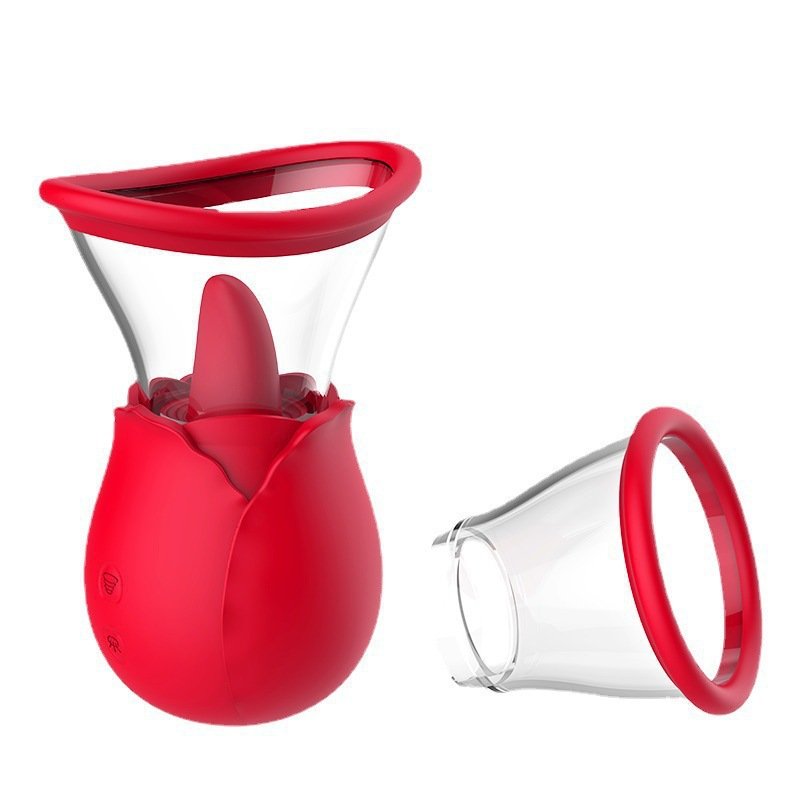
The Complete Silicone Toy Cleaning Guide
By Luxuria Wellness Team · July 2026 · 6 min read
The Complete Silicone Toy Cleaning Guide
By Luxuria Wellness Team | July 2026 | 6 min read
You bought a nice medical-grade silicone device. Now: how do you actually clean it? Not the vague "wash with soap and water" every listing repeats — the real version, including what ruins silicone, what doesn't, how to sterilize, and how often is actually enough.
Done right, a silicone toy lasts years. Done wrong, it degrades in months and grows things you don't want to think about. Here's the full routine.
The Everyday Clean (After Every Use)
This is the routine for normal use, every time, no exceptions. It takes about thirty seconds and it's non-negotiable.
What you need:
- Warm water
- Mild, unscented soap (fragrance-free hand soap or dish soap works; dedicated toy cleaner is fine too)
- A lint-free cloth or air drying
The steps:
- Rinse with warm water. Not hot — heat above boiling can warp silicone over time, and very hot water isn't necessary for cleaning. Warm is the word.
- Lather with mild soap in your hands, then wash the toy. Don't apply soap directly and scrub aggressively — lather first, then use your hands to clean the surface, including any textures or ridges.
- Rinse fully. Soap residue irritates sensitive tissue. Get it all off.
- Dry completely. Air dry is best. Pat with a lint-free cloth if you're in a hurry. Don't store damp — moisture in a closed space breeds mold.
That's it. The "after every use" part is what people skip, and it's the part that matters most. A toy put away unwashed grows bacteria between sessions. Don't.
What NOT to Use on Silicone
This is where people destroy good toys. None of these:
| Don't use | Why it's bad |
|---|---|
| Silicone-based lube | Melts silicone on contact. The single most common way toys get ruined. Water-based only. |
| Alcohol / rubbing alcohol | Dries out and degrades silicone over time. Makes the surface tacky. |
| Bleach (undiluted) | Too harsh. If you must sanitize with bleach, use a 10% solution and rinse thoroughly — but soap and water is usually enough. |
| Abrasive scrubbers / brushes | Scratch the surface. Silicone scratches more easily than you'd think, and scratches trap bacteria. |
| Boiling water (for motorized toys) | Boiling sterilizes pure silicone, but if the toy has a motor, electronics, or any non-silicone part, boiling destroys it. See the sterilization section. |
| Dishwasher | Heat and detergent are too harsh, and putting intimate items in a shared dishwasher is unhygienic. Skip it. |
| Baby wipes / "quick clean" wipes | Fine in a pinch but leave residue and don't actually clean porous buildup. Not a substitute for soap and water. |
The big one is silicone lube. If you remember nothing else: silicone lube melts silicone toys. One session can ruin the surface. Water-based lube only, with silicone devices.
Deep Cleaning and Sterilization
For a deeper clean — say, between partners, or every few weeks for personal use — you have options depending on whether the toy has electronics.
For non-electronic, pure silicone toys (no motor)
- Boiling: 3–5 minutes in a rolling boil fully sterilizes pure silicone. Make sure the toy is 100% silicone with no embedded parts. Don't let it touch the bottom of the pot (use a cloth) to avoid scorching.
- Top rack of dishwasher (no detergent, no heated dry): Also sterilizes, though most people prefer boiling for intimacy items.
For electronic / motorized silicone toys (most of the lineup)
You can't boil these. Instead:
- Thorough soap-and-water clean (the everyday routine, done carefully) handles 99% of needs.
- 10% bleach solution for true disinfection: wipe, let sit 1–2 minutes, rinse thoroughly and completely. Use sparingly — frequent bleach degrades silicone.
- Toy cleaner spray formulated for silicone is a gentler middle ground for regular deep cleaning.
The honest truth: motorized toys can't be fully sterilized the way pure silicone can, which is exactly why material quality matters. Non-porous medical-grade silicone doesn't absorb anything the way porous materials do — it holds contamination on the surface, where soap and water can remove it. That's the whole advantage. Porous toys can't be saved no matter how you clean them; non-porous ones are fully cleanable.
How Often to Clean (Actually)
| Situation | What to do |
|---|---|
| After every use | Full soap-and-water clean, dry fully |
| Between partners | Sterilize (boil if non-electric, bleach solution if electric) |
| Long storage, first use after months | Wash before use (dust, not germs, is the concern) |
| Switching from anal to vaginal use | Stop. Use a condom, or use a different toy. Cross-contamination is a real infection risk even with cleaning. |
| Dropped on the floor | Rinse and wash before using again |
The one most people miss: switching body areas on the same toy without a condom is a contamination risk, even after cleaning, because cleaning isn't sterilization. If you're going from anal to anything else, use a fresh condom or a different toy. This isn't prudishness; it's how people get recurrent infections.
After Cleaning: Drying and Powdering
- Dry fully before storing. This is the step people rush. Moisture in a bag or drawer = mold. Air dry or pat with lint-free cloth.
- Optional: cornstarch powder. Once clean and bone-dry, a light dusting of cornstarch (not talc, not baby powder with fragrance) restores silicone's velvety finish and prevents it getting tacky over time. Some people do this, some don't. It extends surface life and feel.
- Never powder a wet toy. Powder goes on dry silicone only, after cleaning.
Signs Your Silicone Toy Needs Replacing
Even well-cared-for silicone eventually shows wear. Replace if:
- The surface gets tacky or sticky and doesn't recover with cleaning and cornstarch. This means the silicone is breaking down.
- There are cracks, tears, or deep scratches. These harbor bacteria that cleaning can't reach.
- It's developed a smell it didn't have before. Real silicone shouldn't smell; a new smell means contamination has set into damaged material.
- It's discolored in patches that don't wash off. Material degradation.
A well-maintained medical-grade silicone toy lasts years. If yours is degrading in months, either it wasn't real silicone to begin with, or it met silicone lube / alcohol / bleach and lost.
The Bottom Line
- Every use: warm water + mild unscented soap + dry fully. Thirty seconds, non-negotiable.
- Never silicone lube, alcohol, undiluted bleach, or boiling (on motorized toys). These ruin silicone.
- Non-electric pure silicone can be boiled to sterilize. Motorized toys get soap, water, and occasional 10% bleach.
- Switching anal → vaginal? Use a condom or a different toy. Cleaning ≠ sterilization.
- Dry fully, optional cornstarch, store in its own bag. Moisture breeds mold; material contact degrades.
- Replace when tacky, cracked, or smelly. Good silicone lasts years; degrading in months means wrong care or wrong material.
Every Luxuria device is non-porous medical-grade silicone, which is exactly why it's fully cleanable — contamination stays on the surface where soap removes it, instead of soaking into the material the way it does with jelly and TPE. Clean it right and it outlasts cheaper toys many times over.
Browse cleanable silicone devices → See the collection →
Tags: how to clean silicone sex toy, silicone toy cleaning, sterilize silicone vibrator, what ruins silicone toys, silicone lube melts silicone, sex toy care routine, boil silicone toy