Lube 101: Water-Based vs Silicone (and What Wrecks Your Toys)
By Luxuria Wellness Team · July 2026 · 5 min read
Lube 101: Water-Based vs Silicone (and What Wrecks Your Toys)
By Luxuria Wellness Team | July 2026 | 6 min read
If you take one thing from this article: the wrong lube can destroy a $50 toy in a single session. Not over time. In one go. And almost nobody tells you this until it's too late.
Lube isn't a luxury add-on. It's the difference between "this is fine" and "why does it feel like my toy is dissolving." Here's the short version, then the details.
The 30-Second Version
| Type | Feels like | Lasts | Safe with silicone toys? | Safe with condoms? |
|---|---|---|---|---|
| Water-based | Natural, cleans easy | Shorter — reapply | ✅ Yes | ✅ Yes |
| Silicone | Slick, lasts forever | Long | ❌ No (melts the toy) | ✅ Yes |
| Hybrid | In between | Medium | ⚠️ Risky | ✅ Yes |
| Oil | Smooth | Long | ⚠️ Degrades over time | ❌ No (breaks latex) |
That's most of what you need. The rest is the why.
Water-Based: The Default You Want
Water-based lube is the safe bet for almost every situation. It works with every toy material, every condom type, and it washes off with water — which sounds like a minor thing until you're trying to clean up at 1 a.m.
The downside: it dries out. You'll reapply. Some people read that as "low quality." It's not. It's just how water-based works — the water evaporates, you add more. Get a bottle you don't mind grabbing twice.
Pick a water-based lube that lists its ingredients. Skip anything with glycerin if you're prone to irritation or yeast issues — glycerin is sugar-adjacent and feeds the wrong bacteria. A short ingredient list is usually a good sign.
Silicone: The Wrong Choice for Silicone Toys
Silicone lube is genuinely great in one specific way: it lasts forever, doesn't dry out, and feels incredibly slick. People who use it love it.
Here's the problem. Silicone lube melts silicone toys. Not metaphorically. The silicone in the lube interacts with the silicone in the toy, and the surface starts to break down — gets tacky, then gummy, then permanently ruined. One session can do it.
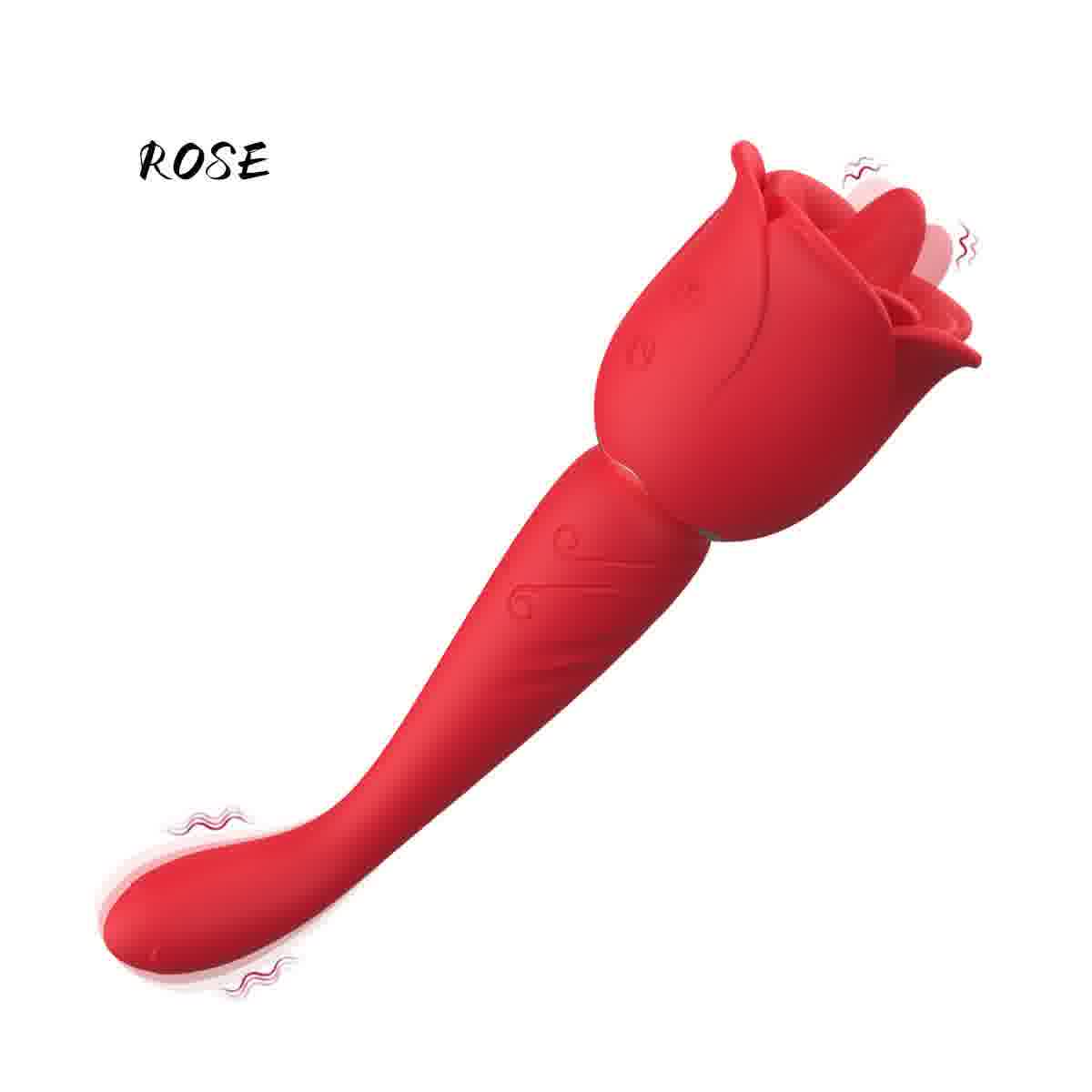
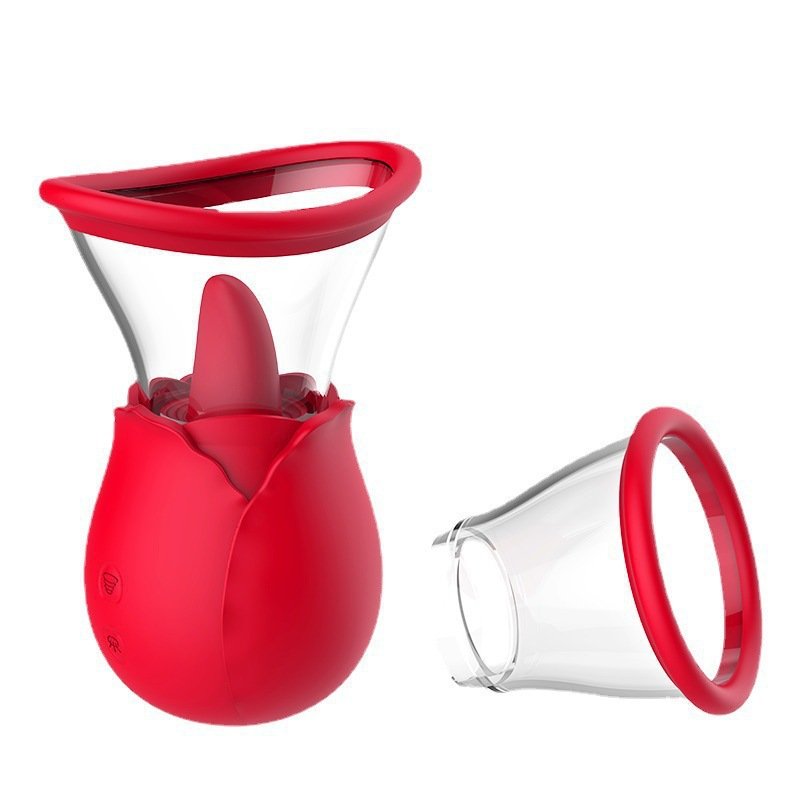
This is the single most common way people destroy good toys. A $40 Bloom, a $49 Flutter, a $59 Bloom Duo — all medical-grade silicone, all vulnerable. You spend good money on body-safe material and then melt it with a $12 bottle.
Silicone lube is fine with glass, metal, and ABS plastic. It's fine with condoms. It is not fine with the soft silicone that most modern toys are made of.
| Toy material | Water-based | Silicone lube | Oil |
|---|---|---|---|
| Medical-grade silicone | ✅ | ❌ | ⚠️ |
| Glass / metal | ✅ | ✅ | ✅ |
| ABS plastic | ✅ | ✅ | ✅ |
| TPE / jelly (don't buy these) | ✅ | ❌ | ⚠️ |
Oil-Based: Read the Fine Print
Oil-based options — coconut oil, baby oil, some specialty lubes — last a long time and feel natural. Two hard limits:
- Oil breaks latex condoms. If you're using condoms for birth control or STI protection, oil is off the table. Polyurethane condoms are oil-safe; latex is not.
- Oil is hard to wash off silicone toys and can slowly degrade them over time, even if it doesn't melt them on contact like silicone lube does.
Coconut oil specifically has a cult following for body massage and external use. Just keep it away from latex and be ready to wash toys thoroughly with warm water and mild soap after.
What to Skip Entirely
- Warming or cooling lubes. These add ingredients that irritate sensitive tissue. "Tingling" sounds fun until it's burning. Skip for intimate use.
- Flavored lubes for anything internal. Sugar and flavoring don't belong inside the body. Fine for oral, not for after.
- Anything "numbing." Desensitizing lubes are a bad idea. Pain is information. Numbing it doesn't fix the cause — usually not enough lube, or going too fast — and you end up with tissue damage you can't feel happening.
- Spit. We're not being prudes. Spit dries in seconds, has the wrong pH, and is a one-way ticket to friction. A $10 bottle of water-based lube solves what spit can't.
How Much, and When
The number one lube mistake isn't the type. It's the amount and timing.
People use too little, too late. You want enough that friction is never the thing you're noticing. If you're noticing friction, you needed more lube thirty seconds ago.
Apply to the toy and to the body, not just one. Reapply when it starts to feel tacky — that's the water evaporating, not you doing it wrong. For water-based, keeping a small bottle of water nearby to rehydrate it works in a pinch.
The Bottom Line
- Water-based is the default. Works with everything, cleans up easy, reapply when it dries.
- Silicone lube melts silicone toys. This is the big one. Don't mix them.
- Oil breaks latex condoms. That's the hard limit on oil.
- Skip warming, flavored, and numbing. They cause more problems than they're worth.
- Use more than you think, earlier than you think. Friction should never be the headline.
Every Luxuria device is medical-grade silicone, which means water-based lube is your match — safe, clean, and it won't eat the material you just paid for.
Shopping for compatible lube or toys? Browse the collection →
Tags: best lube for silicone toys, water based vs silicone lube, lube that doesn't ruin toys, safe lube for vibrators, coconut oil lube silicone toy, what lube to use with vibrator