Building a Solo Self-Care Ritual That's Actually About You
By Luxuria Wellness Team · July 2026 · 6 min read
Building a Solo Self-Care Ritual That's Actually About You
By Luxuria Wellness Team | July 2026 | 6 min read
Solo intimacy has a branding problem. It's either treated as a punchline or as a clinical health task ("release tension, hydrate, you're done"). Neither leaves room for what it actually can be: a ritual that's about knowing and caring for yourself, on your own terms, with no audience to perform for.
If your solo practice is "scroll phone, grab toy, finish, sleep," that's fine — but it's leaving a lot on the table. Here's how to build something that actually recharges you instead of just checking a box.
Why "Ritual" and Not "Routine"
A routine is a sequence you execute. A ritual is a sequence with intention behind it — you're doing it on purpose, and the meaning is part of the effect.
The distinction matters because solo intimacy done mindlessly tends to leave people feeling vaguely empty afterward, even when it was physically satisfying. Done intentionally, it tends to leave people feeling more grounded, more connected to themselves, more rested. Same physical act, different internal result, driven entirely by the frame you bring to it.
This isn't woo. It's the same reason a meal eaten slowly at a table feels different from a meal inhaled over the sink, even if the food is identical. The attention is part of the nourishment.
The Elements of a Good Solo Ritual
1. A transition in
You can't go from answering work emails to being present in your body in zero seconds. The brain carries the prior context with it. A transition — even a short one — signals that you're switching modes.
- Change the environment. Different lighting, music, a shower, a few stretches. Something physical that marks "this is different now."
- Put the phone in another room. Not on the nightstand face-down. In another room. The presence of a phone, even silent, is a low-grade pull toward everything else. Remove it.
- A few breaths. Not a meditation — just a deliberate pause to arrive. Three slow breaths is enough. You're not performing calm; you're giving your nervous system a beat to catch up.
2. Comfort as setup, not afterthought
Cold room, scratchy sheets, harsh light — these aren't minor. They're friction against the state you're trying to reach. Warm room, soft surface, light you chose. The setup is part of the ritual, not separate from it.
3. Start with body, not goal
The mistake is starting at the destination and racing there. A ritual starts with the body as a whole — tension, warmth, sensation across your whole self — and lets the specifically intimate part emerge from that, not launch into it cold.
This is where a non-overtly-sexual device earns its place.
| Device | Role in the ritual | Price |
|---|---|---|
| Ease | Body massager — start with neck, shoulders, wherever you carry tension. The on-ramp. | $36 |
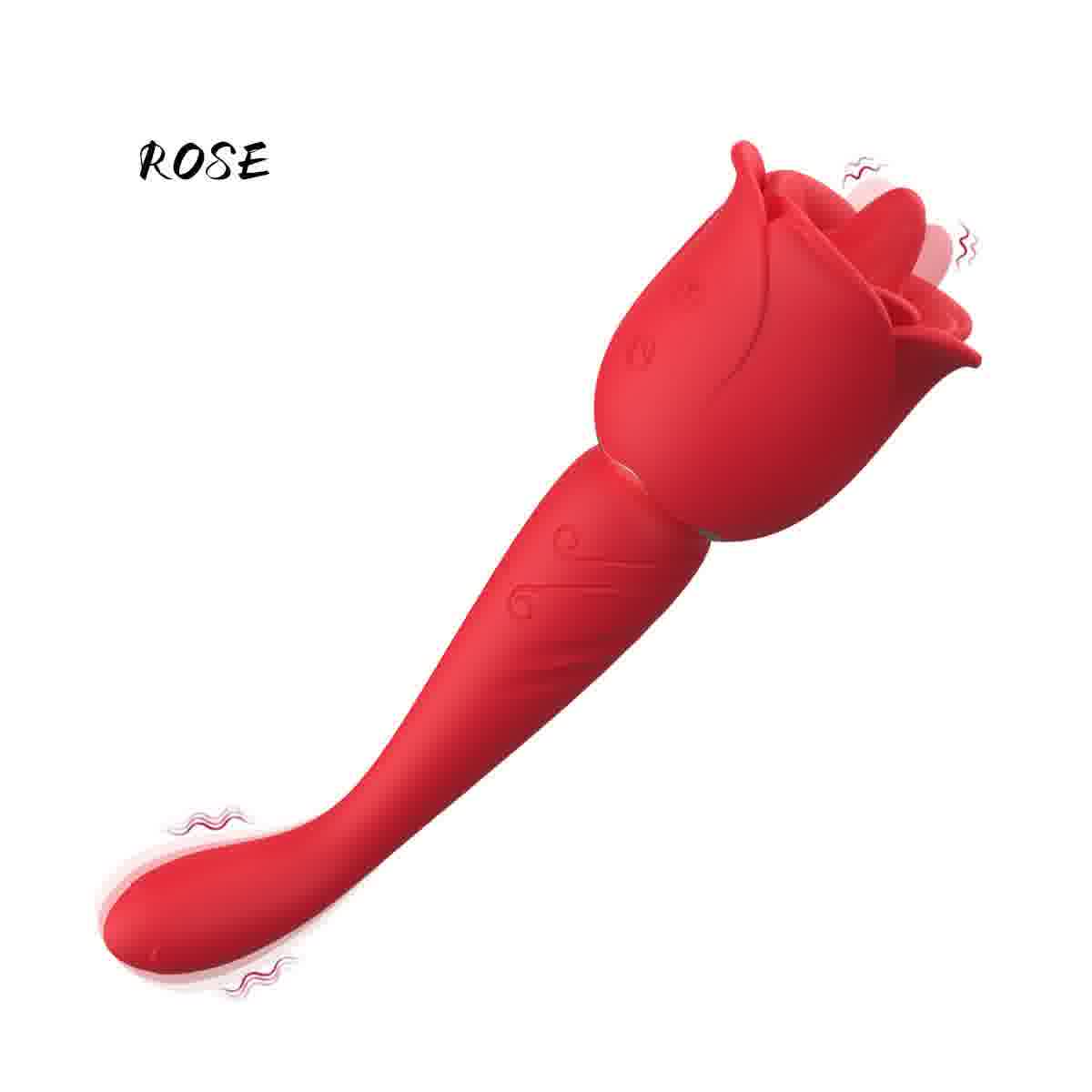
| Wave | Rumbly wand — broad, full-body sensation that's easy to sink into | $39 |
Ease is the ritual device. You start with it on your shoulders, your back, the tight spot behind your neck from hunching over a laptop all day. That's not foreplay; that's care. And somewhere in the unwinding of that tension, the line between "massage" and "more" blurs, and you follow it — or you don't. A session that ends at "my shoulders feel better and I'm relaxed" is a successful ritual. There's no requirement that it go further.
4. Follow sensation, not a script
Once you're in it, the rule is: notice what feels good and follow it. Not what you think should feel good, not what worked last time, not what the internet said. What actually feels good right now, to your body, tonight.
This sounds obvious and is surprisingly hard. Most people have a groove they default to because it's efficient. Efficiency is the enemy of ritual. Slowing down and actually following present-moment sensation — even if it means not finishing, or finishing differently than usual — is what makes the experience restorative instead of mechanical.
5. A transition out
The end matters too. Don't roll straight from climax into email-checking. A few minutes of stillness, a glass of water, the lights still low. Let the state settle before re-entering the world. Same principle as the transition in, reversed.
What Gets in the Way
- Porn as the default. There's nothing wrong with it, but it pulls attention outward toward a performance you're watching, which is the opposite of the inward attention a ritual is built on. Try sessions without it, at least sometimes, and notice the difference in how present you feel.
- Rushing to finish. If the goal is a quick physical release, fine — but that's not a ritual, and it won't leave you rested the way a slower session does. Match the pace to what you actually want from it.
- Guilt. The residual cultural noise that solo intimacy is somehow lesser, wasteful, or something to be ashamed of. It isn't, and noticing the guilt as external noise rather than your own truth is part of the practice.
- Performance expectations on yourself. No one's watching. There's nothing to perform. If something doesn't work tonight, it doesn't work. Try something else or stop. The freedom of solo is precisely that there's no one to disappoint.
Making It Yours
A ritual that works for someone else may not work for you. The point isn't to adopt someone's template — it's to build yours through attention. A few questions worth sitting with:
- What time of day actually works? For some it's morning, for many it's night. Don't force a schedule that fights your body.
- How often? Not a quota. A rhythm that feels natural, not one you're checking off.
- What do you want from it? Sometimes stress relief, sometimes sleep, sometimes just feeling good in your body, sometimes nothing specific. Naming what you want going in shapes the session.
- What's the friction? If you keep meaning to and don't, figure out the actual barrier. Is it privacy? Energy? The setup feeling like too many steps? Solve the real friction, don't just moralize at yourself for "not doing it enough."
The Bottom Line
- Ritual, not routine. Intention is the difference between restorative and mechanical.
- Transition in and out. You can't jump from the world into your body instantly; mark the shift.
- Phone in another room. Its presence is a pull; remove it entirely.
- Start with body, not goal. Ease ($36) as a massager, Wave ($39) as a wand — begin with the whole self, let the rest follow.
- Follow present sensation, not a script. Efficiency is the enemy of ritual. Slow down and actually feel.
- No performance, including for yourself. The freedom of solo is the absence of an audience. Use it.
Solo intimacy, done as ritual rather than task, is one of the few practices that's genuinely about your relationship with yourself — no partner, no audience, no goal but your own wellbeing. It's worth building intentionally. The version of you that comes out the other side is calmer, more grounded, and more familiar with your own body than the one that went in.
Building your ritual? See Ease, Wave, and more →
Tags: solo self care ritual, mindful masturbation, self care vibrator, body massage self care, solo intimacy wellness, self pleasure ritual