What's Worth Spending On (and What Isn't) in Intimate Wellness
By Luxuria Wellness Team · July 2026 · 7 min read
What's Worth Spending On (and What Isn't) in Intimate Wellness
By Luxuria Wellness Team | July 2026 | 7 min read
This category has a weird price landscape. You can spend $9 or $400 on what looks, to a newcomer, like basically the same object. The marketing doesn't help — everything claims to be "premium" and "body-safe," and the price tells you almost nothing about whether it's either.
So let's actually break down where your money does something real and where you're paying for packaging, a name, or nothing at all.
The One Non-Negotiable: Material
Before we talk about anything else: spend enough to get medical-grade silicone (or glass/steel). This is the floor, not a luxury.
A $9 "silicone" toy is almost always jelly or PVC lying about its material. It's porous, it off-gas chemicals, it can't be cleaned properly, and it'll degrade into a sticky mess in months. You will replace it repeatedly, and each one is a small bacterial risk. This is the one place you cannot go cheapest.
The good news: real body-safe silicone starts around $25-$35. You do not need to spend $150 to get safe material. You need to spend more than $9 and read the actual material spec.
| Price tier | What you're getting | Worth it? |
|---|---|---|
| Under $15 | Jelly, PVC, TPE — porous, unsafe | ❌ Never |
| $25-$40 | Real medical-grade silicone, decent basics | ✅ Yes — the sweet spot |
| $40-$70 | Better motors, more features, app control | ✅ Often, if you'll use the features |
| $70-$150 | Premium build, brand markup | ⚠️ Diminishing returns |
| $150+ | Luxury branding, packaging | ❌ Mostly markup |
The jump from $9 to $35 is enormous — that's where you cross from unsafe to safe, from buzzy junk to a real motor. The jump from $35 to $150 is incremental. Spend to get into the safe zone; past that, think hard about what you're actually paying for.
Where Spending More Actually Gets You Something
1. Motor quality (rumbly vs buzzy)
This is the most defensible reason to spend more. Cheap motors are buzzy — high-frequency, surface-level, numbing. Better motors are rumbly — low-frequency, deep, sustainable. The difference in experience is real and significant.
But here's the thing: you can get rumbly at $35 (Drift, Wave). You don't need to go luxury to escape buzzy. The motor-quality jump happens in the $25-$50 range, not the $100+ range.
2. App control and long-distance features
If you actually want app control — for long-distance, for partner play, for custom patterns — that's a feature worth paying for. Link ($55) is the app-controlled couples option. You're paying for the connectivity and the software, not just the hardware.
If you don't want app features, don't pay for them. A non-app device at $35 does the core job as well as an app device at $80 for someone who doesn't use the app.
3. Biofeedback / guided training
For pelvic floor training, biofeedback (real-time feedback on whether you're engaging the right muscle) is genuinely worth it. Anchor Plus ($35) with app-guided routines is meaningfully more useful than a no-feedback kegel set for someone learning. The feedback is the whole point; without it you're guessing.
4. Waterproofing done right
Cheap "waterproof" claims are unreliable. Real IPX7 rating — submersible, tested — costs a bit more to engineer. If you want shower/bath use, spend for the rated device. If you don't care about water use, this is money you can skip.
Where Spending More Is Mostly Markup
1. Brand name
A $130 device from a famous luxury brand is not 4x better than a $35 device from a less famous one. Often it's the same motor class, the same silicone grade, in heavier packaging with a designer's name on it. You're buying the brand, not a better experience. If that matters to you, fine — but know that's what you're paying for.
2. "Luxury" packaging
Magnetic-close boxes, velvet lining, a little pouch with a logo. It's nice. It does nothing for the device. You will throw the box in a closet and never look at it again. Don't pay $40 extra for packaging.
3. Marginal features you won't use
40 vibration patterns (you'll use 2), a travel lock you'll never set, a "smart" mode that guesses what you want. Features sound good on a spec sheet and go unused in practice. Pay for the features you'll actually use; ignore the feature-count arms race.
4. Materials marketed as exotic
"24k gold plated," "medical-grade titanium," etc. These are real materials but they don't change the function for 99% of users. They're luxury signaling. Steel and silicone do the job identically for less.
A Practical Spending Guide by Budget
$25-$40: The smart entry
You can get a genuinely excellent, safe, body-grade device in this range. This is where most people should start and where many people should stay.
| Device | What it is | Price |
|---|---|---|
| Dot | Bullet — cheapest way to test vibration | $29 |
| Breeze | Suction — cheapest way to test suction | $35 |
| Drift | Pocket wand — rumbly, versatile | $35 |
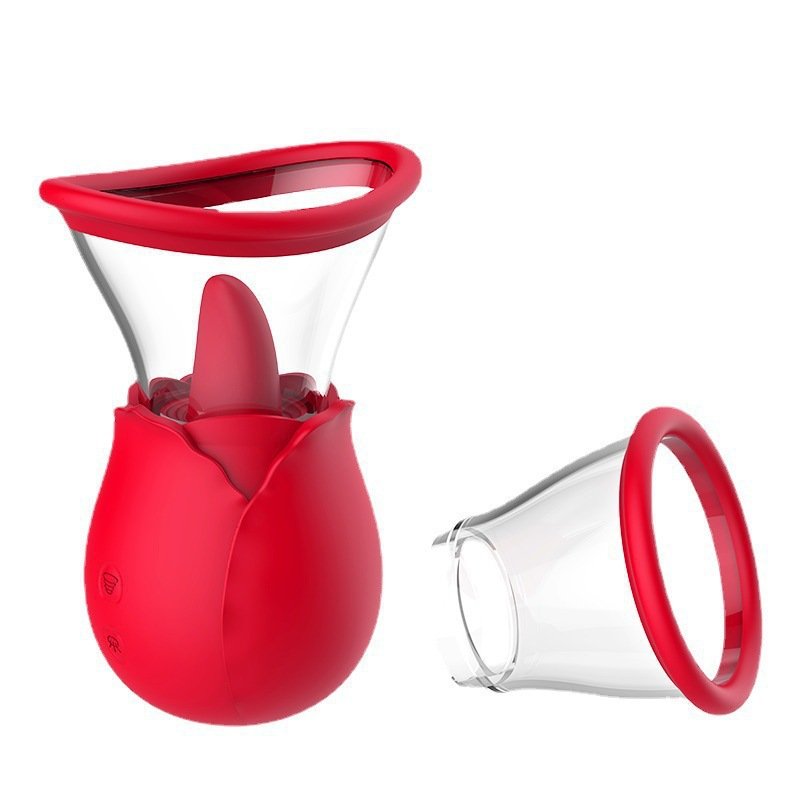
| Bloom | Rose suction — the recognizable mid pick | $40 |
If you're new and don't know what you like, Dot ($29) for vibration or Breeze ($35) for suction lets you find your preference for under $40 total. That's the right first move.
$40-$70: When you know what you want
Stepping up here gets you more intensity, more features, or specialized function.
| Device | Why you'd step up | Price |
|---|---|---|
| Pulse | Tongue stimulation if you want that specific sensation | $45 |
| Lily | Ultra-quiet (38 dB) if discretion/noise is your priority | $49 |
| Flutter | More suction intensity than Breeze | $49 |
| Link | App control for couples/long-distance | $55 |
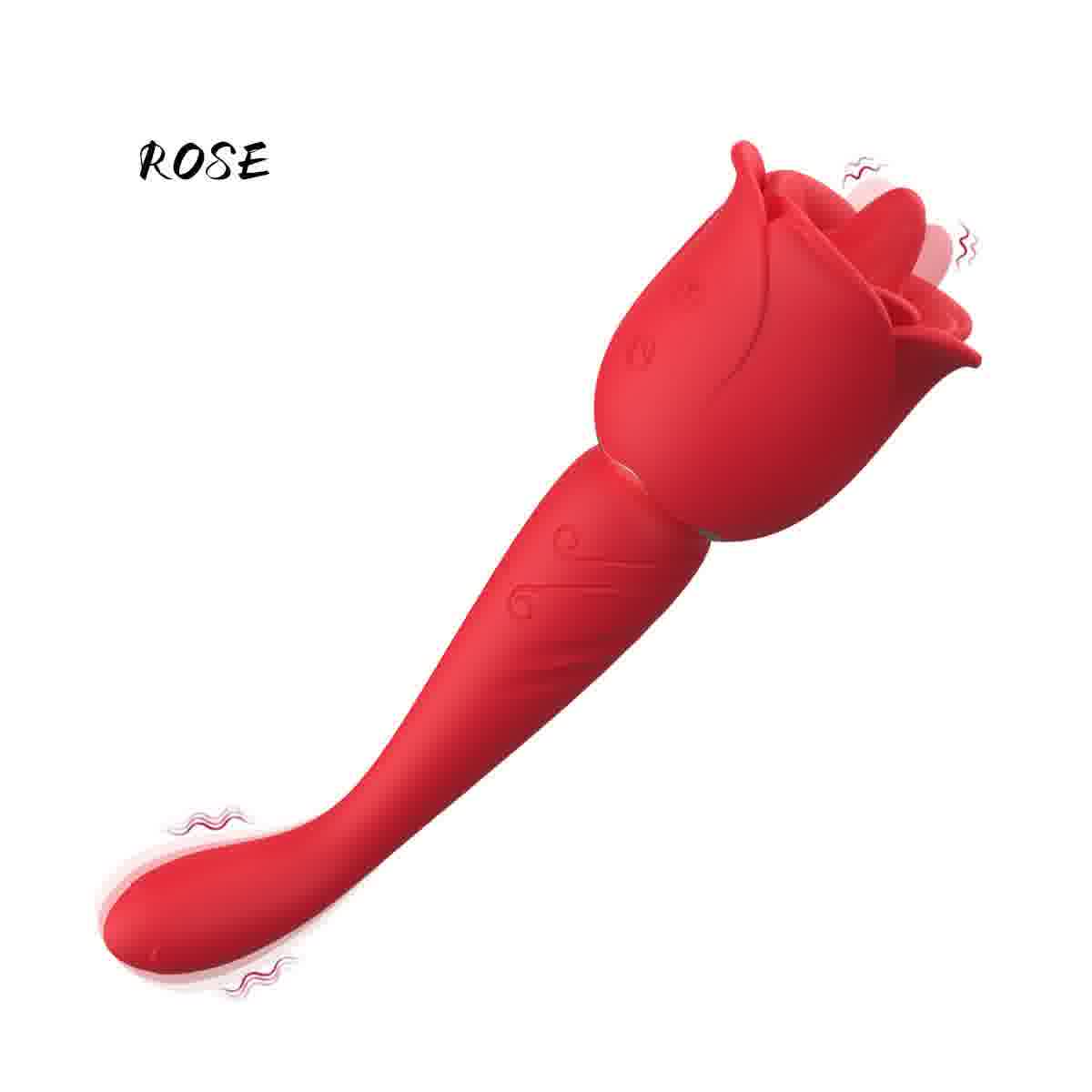
| Bloom Duo | Dual-ended if you want two experiences in one | $59 |
| Drift Air | Strongest air pulse if Breeze wasn't enough | $59 |
These are worth it if you'll use the specific thing. Lily is worth it if noise matters to you. Link is worth it if you want app control. Bloom Duo is worth it if you want versatility. Don't buy them for the higher price; buy them for the feature.
$70+: Stop and think
Past $70, ask: what specifically am I getting that the $40 version doesn't do? If the answer is "a brand name" or "nicer packaging," save your money. If the answer is a specific feature you'll use — a particular app ecosystem, a material you need for allergy reasons, a form factor nothing cheaper offers — then it may be worth it. Most of the time, it isn't.
The Cheat Code: Buy Two Cheaper Devices Instead of One Luxury One
Here's the thing nobody in the industry will tell you: a $35 suction device and a $35 vibration device will teach you more about what you like than a single $150 "best of both" luxury device.
For the same money, you get to actually learn your preferences across two different stimulation types, in two different contexts, and you have a backup. One expensive device locks you into one experience and one point of failure. Two solid mid-range devices give you range and redundancy.
The people who end up happiest with their purchases are rarely the ones who bought the most expensive thing. They're the ones who bought one or two well-chosen $30-$40 devices that matched what their body actually responds to.
The Bottom Line
- Material is the non-negotiable floor. Medical-grade silicone, $25+ minimum. Below that is unsafe junk.
- The jump from $9 to $35 is huge. The jump from $35 to $150 is small. Spend to get safe; think hard past that.
- Pay for motor quality, app control, biofeedback, real waterproofing. Those are real upgrades.
- Don't pay for brand, packaging, unused features, or exotic materials. That's markup, not value.
- Two $35 devices beat one $150 device. Range and redundancy teach you more than luxury signaling.
The smart money in this category goes to body-safe material, a decent motor, and the specific features you'll actually use — all achievable for $30-$60. Everything past that is a choice about what you value, not a requirement for a good experience. Buy the $35 device that fits you, not the $150 device that fits a marketing campaign.
Spending smart? Browse the $29-$59 range →
Tags: best value vibrator, how much to spend on sex toy, cheap vs expensive vibrator, luxury vibrator worth it, body safe vibrator budget, what vibrator to buy first